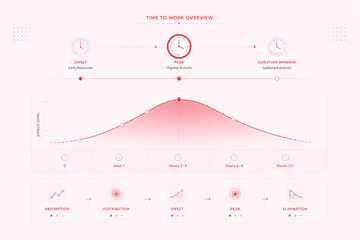
Clindamycin onset of action concepts describe the relationship between antimicrobial exposure and the beginning of measurable biological or symptomatic change. The concept involves pharmacokinetics, antimicrobial susceptibility, tissue distribution, microbial burden, and the inflammatory response rather than a single universal time point. In conditions such as skin infection, symptom improvement can develop through overlapping microbiological and inflammatory processes.
Symptom improvement patterns may include changes in erythema, edema, tenderness, local inflammation, drainage, or other manifestations associated with bacterial infection. These changes do not necessarily occur simultaneously with antimicrobial exposure because microbial burden and host inflammatory activity can evolve on different timelines. Related soft-tissue infection and cellulitis contexts illustrate this distinction.
The pharmacokinetic context includes absorption, distribution, systemic concentration, tissue penetration, metabolism, and elimination. Clindamycin exposure contributes to the antimicrobial environment in which susceptible bacterial populations may decline, while residual inflammation can persist independently. This framework also applies conceptually to abscess and infected wounds, where anatomy and microbial burden can influence the observed pattern of improvement.
Clindamycin onset of action refers conceptually to the period in which antimicrobial exposure begins contributing to biological changes associated with susceptible bacterial infection. Clindamycin is a lincosamide antimicrobial that inhibits bacterial protein synthesis through interaction with the bacterial ribosomal subunit. The pharmacologic onset is therefore linked to absorption, systemic distribution, tissue penetration, antimicrobial susceptibility, and exposure over time. It is distinct from the moment when a patient first perceives symptom improvement, because microbiological activity and host inflammatory resolution can follow different trajectories.
Infectious-disease pharmacology commonly separates antimicrobial exposure from clinical manifestation. A concentration-time curve describes changing systemic concentrations, while microbial burden reflects the population of organisms within the infected compartment. As susceptible bacterial activity changes, inflammatory mediators and tissue responses may persist or resolve at variable rates. This distinction is relevant to soft-tissue infection, skin infection, and other bacterial conditions. Clinicians may evaluate organism susceptibility, tissue involvement, baseline microbial burden, and inflammatory response when interpreting the onset concept.
The observed onset of improvement can therefore be described as an integrated pharmacologic and biological process rather than a fixed event. Formulation and route also influence exposure, with systemic preparations having different pharmacokinetic characteristics from topical products. Related solution and capsules concepts illustrate why pharmaceutical form belongs within the broader interpretation of Clindamycin pharmacokinetics.
| Onset factor | Pharmacologic process | Interpretive relevance |
|---|---|---|
| Absorption | Entry of Clindamycin into systemic circulation | Initiates systemic exposure |
| Tissue distribution | Movement of drug into relevant compartments | Connects systemic exposure with infected tissue |
| Antimicrobial susceptibility | Organism-specific response to Clindamycin | Frames potential microbiological activity |
| Inflammatory response | Host response to infection and tissue injury | Influences observable symptom patterns |
Symptom improvement patterns describe changes in observable manifestations associated with an infectious process rather than a direct measurement of antimicrobial concentration. Erythema, edema, tenderness, drainage, swelling, and other inflammatory findings can change at different rates because microbial burden and host inflammatory response are separate biological processes. Clindamycin exposure may alter the microbial component while tissue inflammation continues to evolve. In cellulitis, for example, visible erythema may not mirror the concentration-time curve of systemic antimicrobial exposure.
Early improvement and delayed improvement are conceptual patterns rather than fixed pharmacologic categories. Earlier changes may reflect shifts in microbial activity, fluid dynamics, or inflammatory signaling, while slower changes can reflect residual tissue inflammation, substantial microbial burden, anatomical depth, or delayed resolution of tissue injury. These patterns can also differ among folliculitis, impetigo, and deeper soft-tissue infections. Infectious-disease references commonly emphasize that symptom trajectory represents a composite biological signal rather than a direct pharmacokinetic measurement.
The interpretation of symptom improvement also depends on pathogen susceptibility and the anatomical compartment involved. Clindamycin pharmacology may be considered alongside microbial burden, tissue penetration, inflammatory response, and concentration-time exposure. A change in one symptom does not necessarily indicate simultaneous resolution of every component of infection. Consequently, symptom improvement patterns are best understood as dynamic observations within a broader pharmacological and infectious-disease framework.
| Symptom feature | Underlying process | Pattern interpretation |
|---|---|---|
| Erythema | Inflammatory vascular and tissue response | May change independently of drug concentration |
| Edema | Altered tissue fluid balance | Can resolve at a variable rate |
| Tenderness | Inflammation and tissue involvement | Reflects host response as well as infection |
| Drainage | Local inflammatory and infectious material | May correlate with compartment characteristics |
The concentration-time curve provides a pharmacokinetic representation of Clindamycin exposure and is central to understanding onset of action concepts. Following administration, absorption contributes to the initial rise in systemic concentration, distribution affects movement into tissues, and metabolism and elimination contribute to subsequent decline. The resulting curve is dynamic rather than instantaneous. Antimicrobial activity occurs within this exposure environment, while observable symptom improvement may reflect additional biological processes that are not represented directly by plasma concentration.
Concentration-time variability can arise from differences in absorption, route, formulation, administration timing, distribution, clearance, and individual pharmacokinetic characteristics. The relationship between systemic exposure and infected tissue may also vary according to anatomical compartment and local physiology. In infectious-disease pharmacology, these variables are interpreted alongside antimicrobial susceptibility and microbial burden. Related soft-tissue dosage concepts and joint dosage concepts demonstrate how anatomical context affects interpretation of antimicrobial exposure.
Symptom improvement should not be treated as a direct visual representation of the concentration-time curve. A decline in microbial activity can precede visible resolution of erythema or edema, while inflammatory findings can fluctuate independently of systemic concentration. Pharmacology references therefore distinguish pharmacokinetic exposure, pharmacodynamic activity, microbial burden, and clinical manifestation. This distinction helps explain why onset of action is commonly described as a process rather than a precise symptom clock.
| Concentration-time component | Pharmacokinetic process | Onset relevance |
|---|---|---|
| Initial concentration rise | Systemic absorption | Establishes early exposure |
| Distribution | Movement between plasma and tissues | Relates systemic exposure to infected compartments |
| Concentration decline | Metabolism and elimination | Shapes exposure persistence |
| Exposure variability | Changes in concentration across time | Influences pharmacologic interpretation |
Microbial burden reduction describes a change in the population or activity of susceptible organisms within an infected compartment. In Clindamycin pharmacology, this concept is connected with antimicrobial susceptibility, bacterial protein-synthesis inhibition, tissue exposure, and the concentration-time environment. Microbial burden is distinct from symptom severity because an infectious process can generate substantial inflammatory activity even as bacterial activity changes. The relationship is particularly relevant in abscess and other localized infections where anatomy can influence both microbial persistence and observable inflammation.
The pace of microbial burden change can vary according to pathogen identity, susceptibility phenotype, inoculum characteristics, tissue penetration, local physiology, and the concentration-time profile. MRSA and MSSA represent examples of organism classifications that can introduce different susceptibility considerations. These concepts are often discussed in infectious-disease references alongside Clindamycin pharmacodynamics. Microbial burden reduction therefore represents one biological component of onset of action rather than a direct synonym for symptom improvement.
Inflammatory response may persist after microbial activity has changed because cytokine signaling, leukocyte recruitment, edema, tissue injury, and local fluid accumulation can resolve on different timelines. In infected wounds, visible inflammation may consequently show a delayed relationship to antimicrobial exposure. Clinicians may evaluate microbial, pharmacokinetic, anatomical, and inflammatory factors together when interpreting symptom trajectories, while recognizing that no single observation fully represents antimicrobial activity.
| Microbial burden factor | Biological meaning | Onset relationship |
|---|---|---|
| Pathogen identity | Organism responsible for infection | Determines relevant susceptibility context |
| Susceptibility | Organism response to Clindamycin | Connects antimicrobial exposure with activity |
| Inoculum characteristics | Initial microbial population and local burden | Influences biological context |
| Tissue penetration | Drug availability within infected tissue | Links systemic exposure with compartment activity |
Neutral dosing concepts describe the pharmacologic dimensions that determine Clindamycin exposure without assigning numerical instructions. These dimensions include route, formulation, absorption, bioavailability, administration interval, systemic concentration, distribution, metabolism, elimination, and total exposure over time. The resulting concentration-time curve provides a framework for understanding how antimicrobial exposure develops and changes. In an infectious-disease context, these pharmacokinetic variables interact conceptually with organism susceptibility, microbial burden, tissue penetration, and inflammatory response.
The pharmaceutical form can influence the exposure profile. Systemic formulations such as capsules have pharmacokinetic characteristics that differ from topical gel or cream preparations. Consequently, onset of action concepts must remain connected to route and formulation rather than being treated as an intrinsic property of the active ingredient alone. Related soft-tissue dosage concepts and bone dosage concepts further illustrate the importance of anatomical and pharmacokinetic context.
Administration frequency and duration are also separate concepts from onset. The temporal exposure pattern may influence concentration-time behavior, but observable symptom improvement reflects microbial and host processes as well. Often discussed in infectious-disease references, these distinctions prevent dosing terminology from being confused with a fixed onset interval. Clinicians may evaluate pharmacokinetics, susceptibility, tissue distribution, and inflammatory response when interpreting an antimicrobial exposure pattern.
| Dosing concept | Pharmacologic meaning | Onset relevance |
|---|---|---|
| Route | Pathway by which Clindamycin reaches systemic or local exposure | Influences pharmacokinetic context |
| Formulation | Pharmaceutical presentation | Affects absorption and exposure profile |
| Administration interval | Temporal spacing of exposure events | Shapes concentration-time relationships |
| Duration | Overall period of antimicrobial exposure | Provides temporal treatment context |
Clinical interpretation factors place Clindamycin onset of action concepts within the broader infectious-disease framework. Relevant variables include pathogen identity, antimicrobial susceptibility, microbial burden, anatomical site, tissue penetration, pharmacokinetics, concentration-time behavior, inflammatory response, and medication formulation. These factors describe different dimensions of the infectious process and should not be treated as interchangeable. For example, microbial burden concerns bacterial activity, whereas erythema and edema primarily describe host and tissue responses.
The anatomical classification of infection can also influence how onset is conceptualized. Skin infection, soft-tissue infection, and deeper musculoskeletal infection involve different tissue compartments and potentially different distribution characteristics. A localized abscess can have a distinct inflammatory and microbial environment from diffuse cellulitis, while an infected wound may contain necrotic material or multiple tissue layers. Such differences contribute to variability in symptom trajectories.
Clinicians may evaluate early, gradual, or delayed improvement patterns alongside pharmacokinetic and microbiological information. An inflammatory response can remain active after microbial burden changes, and concentration-time exposure does not directly quantify visible symptom resolution. Adverse effects, hypersensitivity, and formulation characteristics also represent separate interpretive domains. References discussing side effects, allergy, and contraindications therefore provide complementary safety and pharmacology context.
| Interpretation factor | Information represented | Onset significance |
|---|---|---|
| Pathogen susceptibility | Organism response to Clindamycin | Frames antimicrobial activity |
| Microbial burden | Population or activity of infectious organisms | Influences biological trajectory |
| Inflammatory response | Erythema, edema, tenderness, and tissue inflammation | Shapes symptom improvement patterns |
| Pharmacokinetics | Absorption, distribution, metabolism, and elimination | Determines exposure over time |
| Anatomical site | Location and depth of infection | Influences tissue-distribution context |
Clindamycin onset of action concepts describe the temporal relationship between antimicrobial exposure and the beginning of biological changes associated with susceptible infection. The concept includes pharmacokinetics, tissue distribution, antimicrobial susceptibility, microbial burden, and inflammatory response. It does not represent a universal symptom time point because microbiological activity and resolution of inflammation can occur on different timelines.
Symptom improvement patterns describe changes in manifestations such as erythema, edema, tenderness, drainage, or local inflammation. These changes reflect both microbial and host processes and may not correspond directly with systemic Clindamycin concentrations. Improvement can be gradual or delayed because inflammatory signaling, tissue injury, microbial burden, and drug exposure may evolve at different rates within the affected anatomical compartment.
Concentration-time variability describes changes in systemic Clindamycin exposure across time. Absorption, distribution, metabolism, elimination, formulation, route, and administration timing contribute to the concentration-time curve. Variability can influence the pharmacologic environment in which antimicrobial activity occurs, but symptom improvement remains a separate biological outcome influenced by microbial burden, tissue characteristics, and inflammatory response.
Microbial burden reduction represents a change in the population or activity of susceptible organisms within an infected compartment. Clindamycin pharmacology connects this concept with antimicrobial susceptibility, protein-synthesis inhibition, tissue exposure, and concentration-time behavior. Reduced microbial activity does not necessarily produce immediate symptom resolution because host inflammation, edema, tissue injury, and inflammatory signaling can persist after bacterial activity changes.
The inflammatory response can influence how quickly symptoms change independently of antimicrobial concentration. Erythema, edema, tenderness, swelling, and drainage reflect host and tissue reactions to infection and may resolve at different rates. Clindamycin exposure can be associated with changes in microbial activity, while inflammatory processes may continue afterward. This creates variability between pharmacokinetic onset and visible symptom improvement.
Pharmacokinetic context explains how Clindamycin moves through the body and produces systemic exposure over time. Absorption, distribution, metabolism, elimination, protein binding, and tissue penetration shape the concentration-time curve. These processes provide the exposure environment for antimicrobial activity, while symptom improvement depends on additional microbiological and inflammatory factors. Pharmacokinetics therefore provides essential context without defining a fixed onset interval.
Early and delayed improvement patterns represent different temporal relationships between antimicrobial exposure, microbial activity, and inflammatory resolution. Earlier changes may accompany shifts in bacterial activity or tissue fluid dynamics, while delayed changes may reflect persistent inflammation, substantial microbial burden, anatomical depth, or tissue injury. These patterns are variable and do not independently establish antimicrobial exposure, susceptibility, or pharmacokinetic behavior.
Infectious-disease classification provides the anatomical and microbiological context for interpreting Clindamycin onset concepts. Skin, soft-tissue, wound, bone, and joint infections can involve different tissue compartments, pathogens, microbial burdens, and inflammatory responses. These differences influence how pharmacokinetics, tissue penetration, susceptibility, and symptom trajectories are understood. Onset is therefore a multidimensional pharmacology concept rather than a universal time-based characteristic.